

Define Direction With Precision
Create and manage Vision, Mission, and Core Values in one structured system.
Strategy
What you define at the top shapes everything below. Turn direction into a shared reference for leadership and teams.
Request a Demo
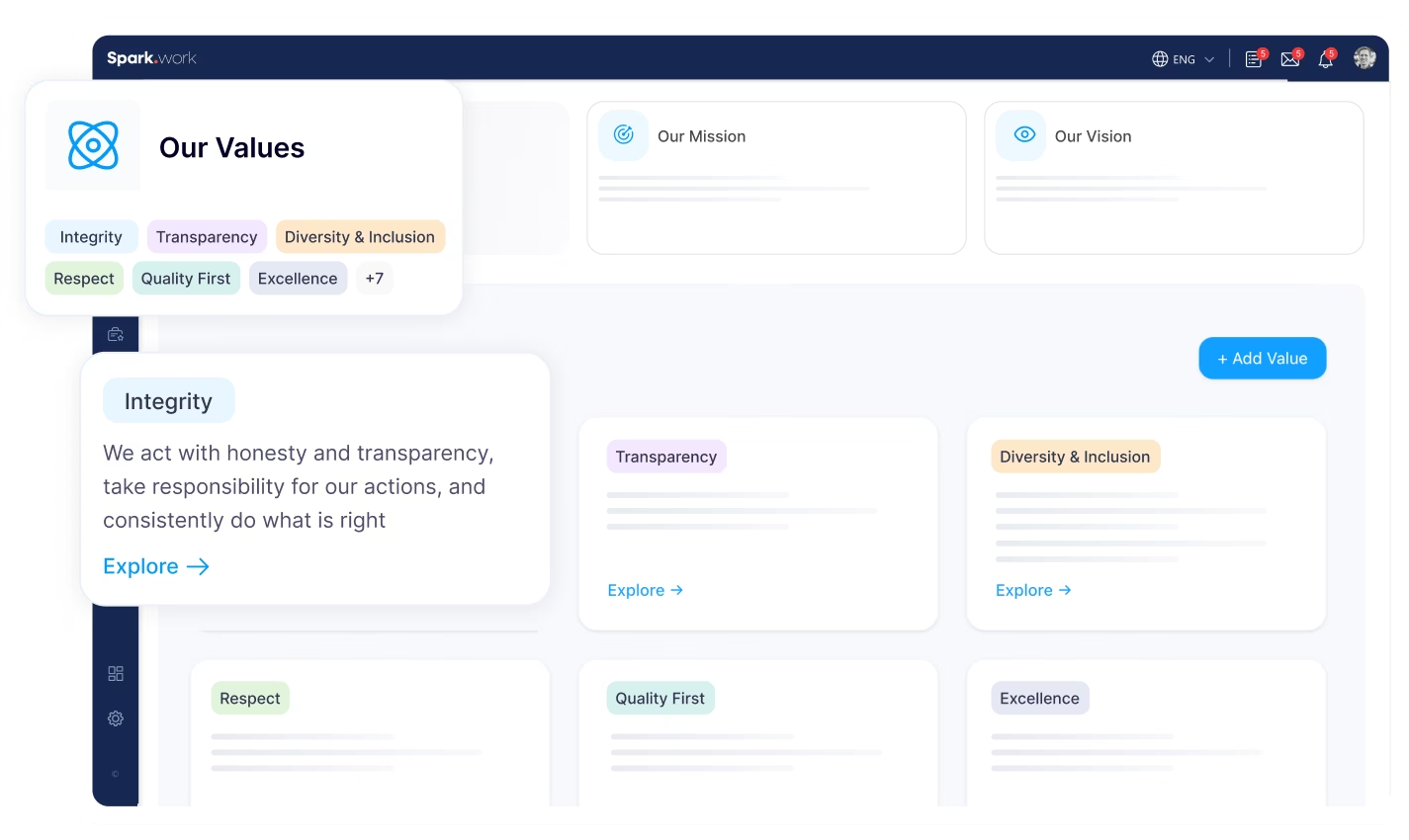
Create and manage Vision, Mission, and Core Values in one structured system.
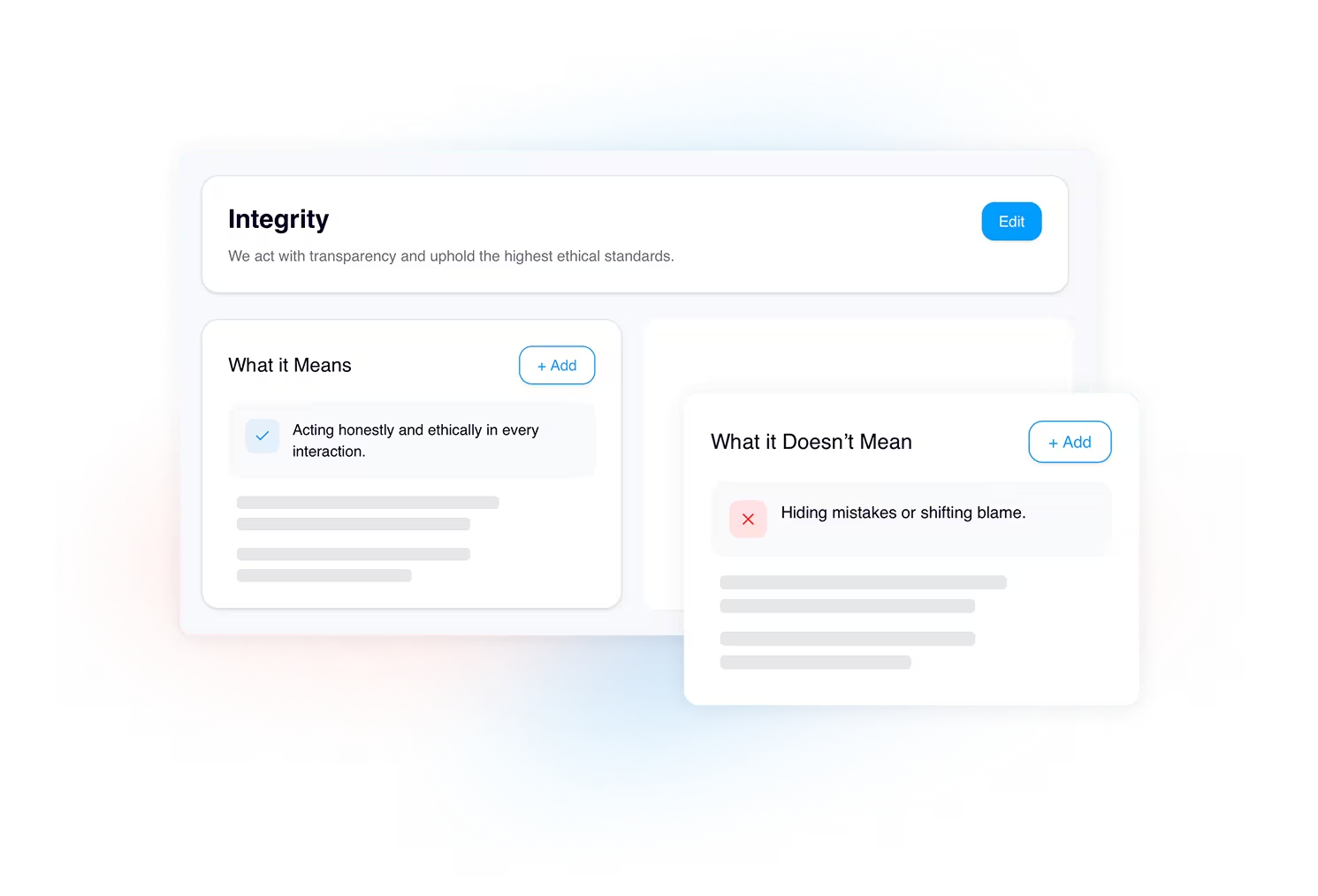
Remove ambiguity by defining expected behaviors behind every principle.
Ensure teams understand not just the words, but the standards they represent.
Values in Practice
Vision and values are centrally managed and version-controlled, creating a shared source of truth across the organization.
FAQ
Because what is not governed becomes interpreted.
When direction lives in slides or posters, it becomes symbolic. When it lives in a structured system, it becomes a reference point for performance, recognition, and decision-making.
A handbook stores statements.
This module defines, clarifies, and version-controls them. It links principles to expected behaviors and maintains a visible standard across the organization.
Every update to Vision, Mission, or Values is structured and tracked.
Teams see what changed, leadership maintains governance, and the organization avoids silent shifts in direction.
Yes.
As strategy shifts or the organization scales, leadership can refine direction in a controlled and visible way without creating confusion or fragmentation.
Each principle can include defined behavioral expectations.
Instead of abstract language, teams understand what the value looks like in practice and what it does not represent.
Vision and values become the reference layer for recognition, cultural engagement reviews, and alignment cycles.
This ensures that performance evaluation and cultural reinforcement operate from the same foundation.
As organizations grow, informal alignment weakens.
Without governance, teams interpret direction differently. Centralized management protects consistency across departments, locations, and leadership layers.
Typically, executive leadership defines and maintains the standard.
HR or People teams may manage updates operationally, but the direction itself remains a leadership responsibility.
Define what your organization stands for. Ensure everyone operates from the same foundation.