
HR
When Does HR Become Strategic?

When Does HR Become Strategic?
People often ask, "When does HR become strategic?"
It sounds like a reasonable question, but every time I hear it, I pause. The question assumes that HR starts in a non-strategic place and, at some point, evolves into something more. My experience at Spark.work does not quite fit that assumption.
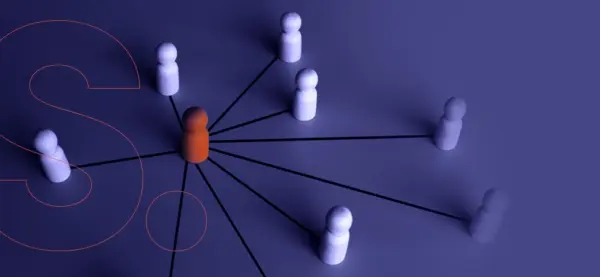
At Spark.work, HR did not become strategic at a specific moment in time. It always was. Not because of a title or a formal mandate, but because people were never separated from decisions. From the very beginning, conversations about the business naturally included conversations about people. That mindset shaped our HR strategy long before anyone labeled it as such.
HR Is Strategic When It Shapes Decisions, Not When It Reacts
Looking back, one thing stands out clearly. HR was never invited after decisions were made. We were there while decisions were being shaped.
At Spark.work, early involvement meant real conversations, not ceremonial ones. When we talked about growth, we did not talk only about numbers or headcount plans. We talked about people, leadership capacity, and sustainability. When we discussed new directions, the focus was not only on opportunity, but also on readiness.
When challenges emerged, we spoke honestly about capacity, not just ambition. No one had to explain why HR was in the room. It felt natural because it was.
The Invisible Reality: Why Strategic HR Is So Hard to Sustain
There is another side of this story that deserves honesty. HR teams are busy. Often overloaded with manual work, internal processes, and operational tasks that never seem to end.
This work is necessary and demanding, but it absorbs energy and attention while offering limited visibility into business impact. As companies grow, this workload does not disappear. It multiplies. More people bring more processes, more exceptions, and more urgency. Without intention, operational HR slowly crowds strategy out of the picture.
Operational vs Strategic HR Is the Wrong Question to Ask
Framing the conversation as operational vs strategic HR creates a false choice that most organizations struggle with in practice. That is why framing HR as either operational or strategic misses the point. It must be both.
The real challenge is finding the right balance and being deliberate about it. Reducing operational load is not about avoiding responsibility. It is about creating systems that can carry responsibility sustainably.
Operations matter, but when everything is manual, urgent, and fragmented, strategy suffocates. And strategy is where long-term impact is created.
Strategy Conversations Are Always Human Conversations
Some of the most important strategic discussions at Spark.work never looked like traditional HR topics. They sounded like questions about leadership, readiness, and the future of the organization.
Who will lead the new initiative? Are we ready for this level of complexity? What kind of organization are we building, and what kind do we want to become?
HR was part of these conversations not because they were labeled as HR, but because people are part of every strategy, whether acknowledged or not.
From Reaction to Co-Creation
Being involved from the start changes everything. You spend less time fixing what was missed and less energy explaining the people impact of decisions after the fact. Instead, you help shape decisions that can actually work, not only on paper, but in real life.
That is when HR stops reacting and starts co-creating. Over time, a clear pattern emerges. When HR is truly strategic, there are fewer crises, fewer misunderstandings, and less tension between business and people. Things do not feel dramatic. They simply work better.
Much of this impact remains invisible, and that is precisely where its value lies.
So, When Does HR Become Strategic?
In my experience, the strategic role of HR is not defined by authority or proximity to leadership, but by trust, timing, and involvement before decisions are finalized.
When people ask me that question today, my answer comes from experience, not theory. HR is strategic when it is trusted early, when it is part of conversations from the very beginning, and when strategy and people are never treated as separate topics.
That has been my journey at Spark.work, and it continues in the same direction.
A Final Thought for HR Professionals
If I could leave one thought for other HR professionals, it would be this. Learn the business deeply. Think in outcomes. Do not wait for permission to contribute.
Strategic HR is not about a title or a seat at the table. It is about helping organizations make better decisions earlier. That is where the real impact begins.
More Articles to Explore

HR Software With OKRs: What to Look For Beyond Goal Tracking
Not all goal management features connect everyday work to company strategy. Learn how to compare HR software with OKRs across three levels of capability.
Onboarding Documents
Poor onboarding rarely fails on day one, it fails months later through reporting gaps and misaligned expectations.

HR trends in 2026
AI is everywhere in 2026, but the real shift in HR is happening somewhere far more human.