
Understand Employee Capability
See employee competencies, performance, potential, and position fit in one place.
TALENT MANAGEMENT SOFTWARE
Connect performance, skills, feedback, and development to make better talent decisions.
Request a Demo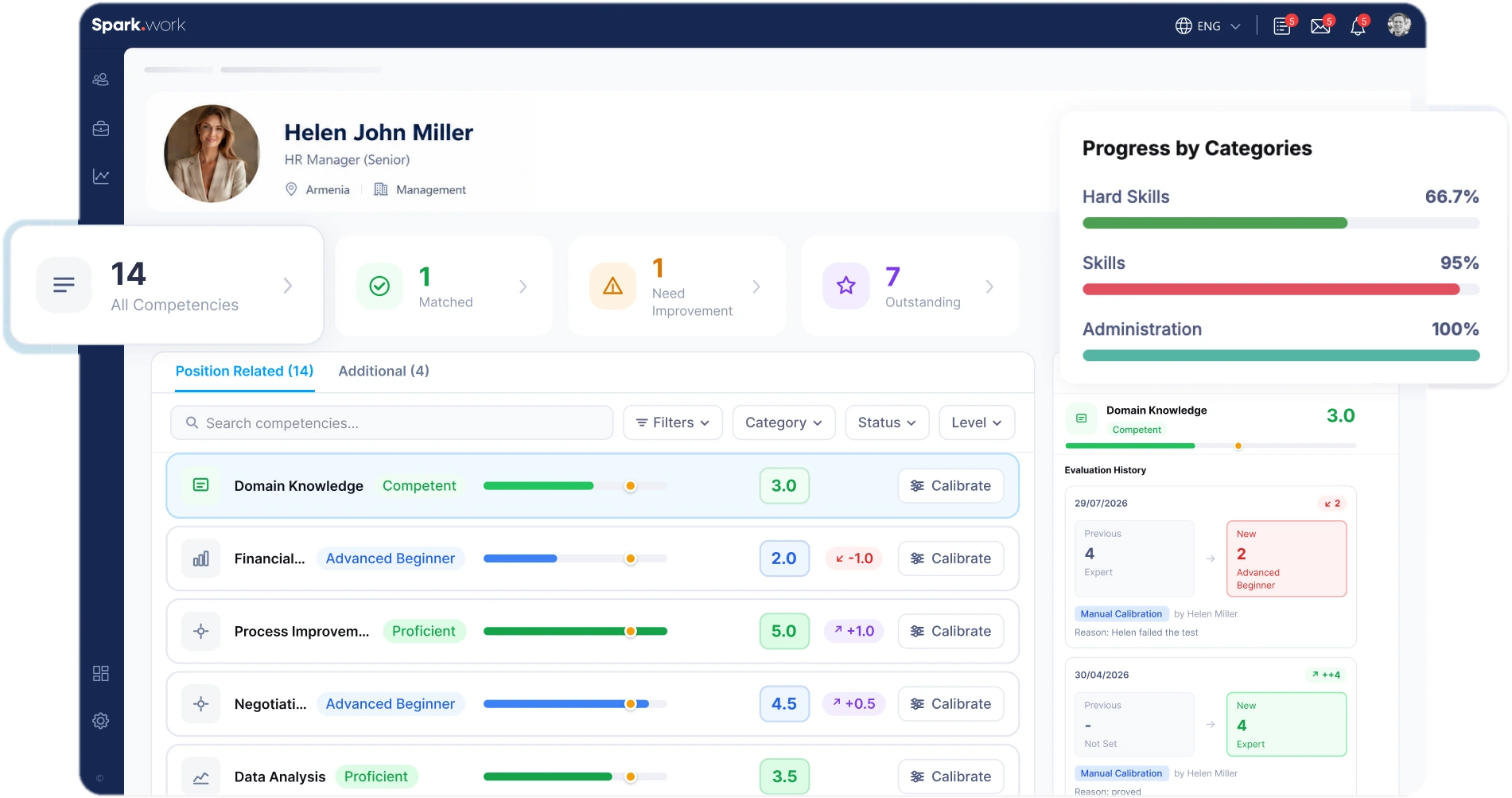
Bring competencies, performance, potential, and development data together to make more informed talent decisions.
See employee competencies, performance, potential, and position fit in one place.
Compare current competencies with position requirements and identify where development is needed.
Use career paths, learning, feedback, and reviews to give employees clear development direction.
KEY CAPABILITIES
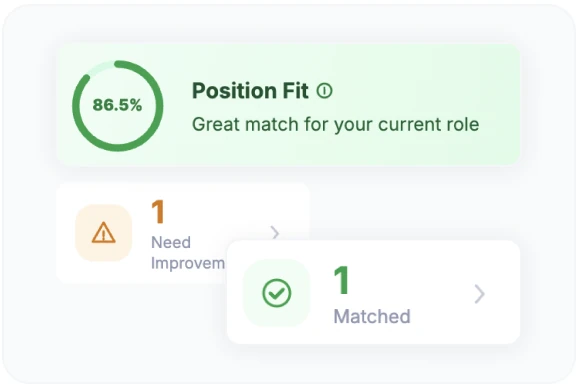
Compare an employee's assessed competencies with the requirements of their current position. See strengths, development gaps, and position fit in one view.
Explore Competency Profiles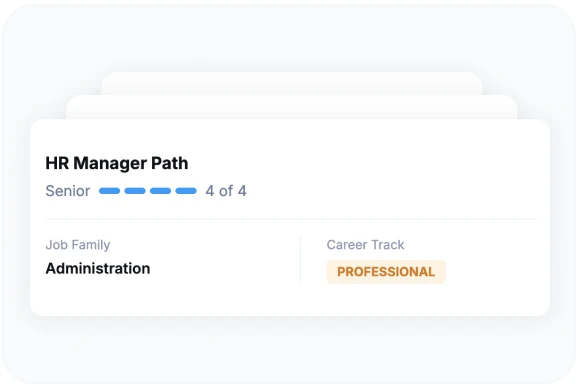
Show employees possible career directions and the positions, levels, and competencies required to move forward.
Explore Career Paths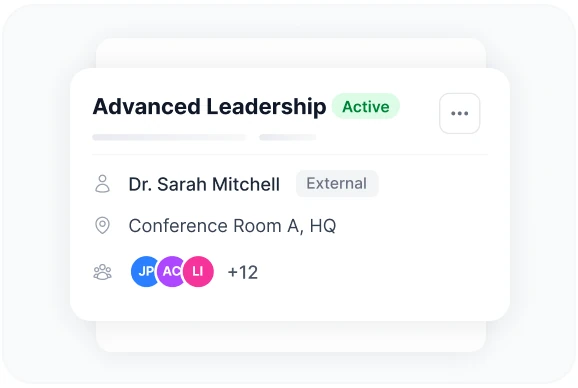
Manage courses and learning events, then connect employees with development opportunities relevant to their positions.
Explore Learning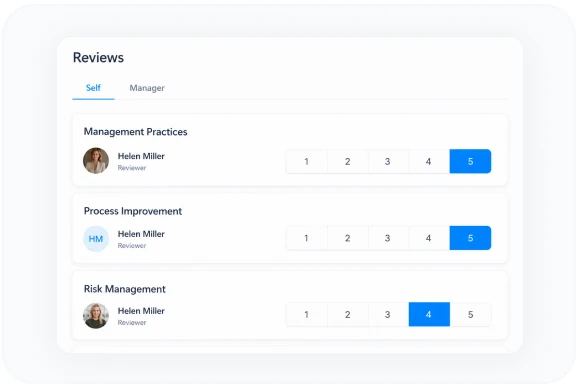
Create structured review processes to evaluate employee performance using consistent criteria and input.
Explore Employee Reviews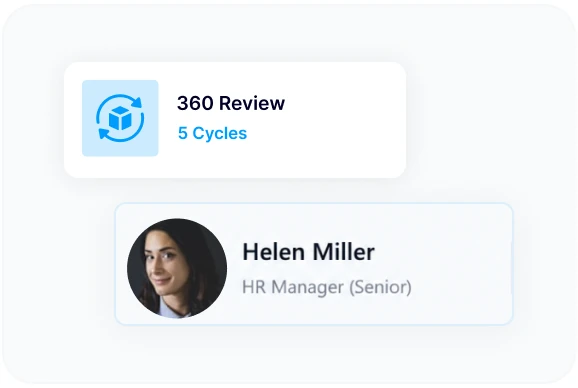
Collect feedback from multiple participants to build a broader view of an employee's performance and competencies.
Explore 360 Reviews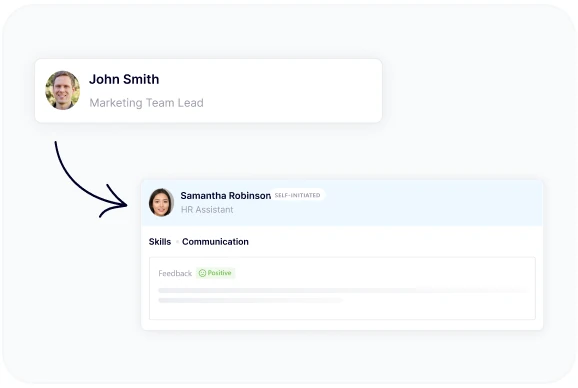
Give and receive feedback throughout the year, keep relevant context visible, and recognize employee contributions.
Explore Feedback and RecognitionBUILT FOR EVERY ROLE
An effective talent management tool must give the organization visibility without showing every user the same view. Spark.work connects competencies, performance, and development with your organizational structure, so each person sees what is relevant to their role.
Create consistent competency, review, and development processes across the organization, with clearer information for talent decisions.
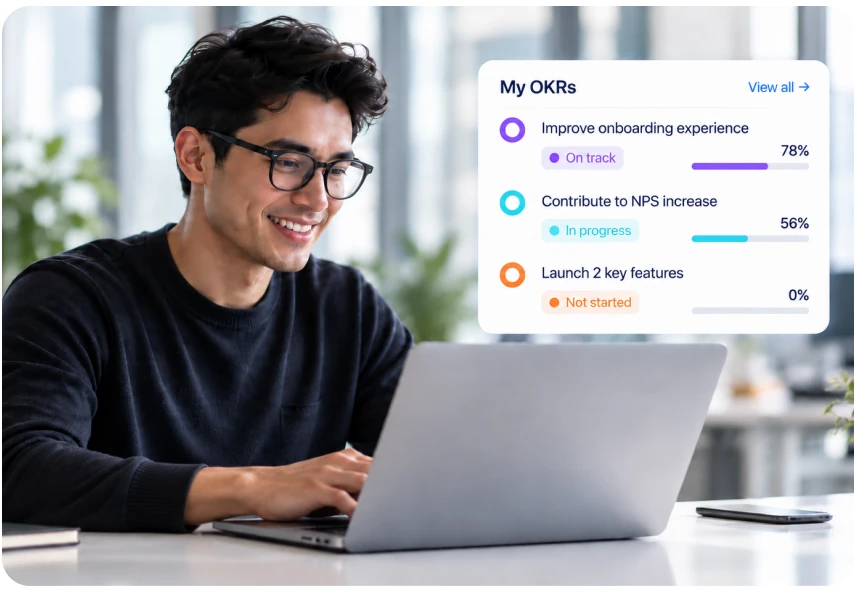
See competencies, feedback, learning opportunities, and possible career directions.
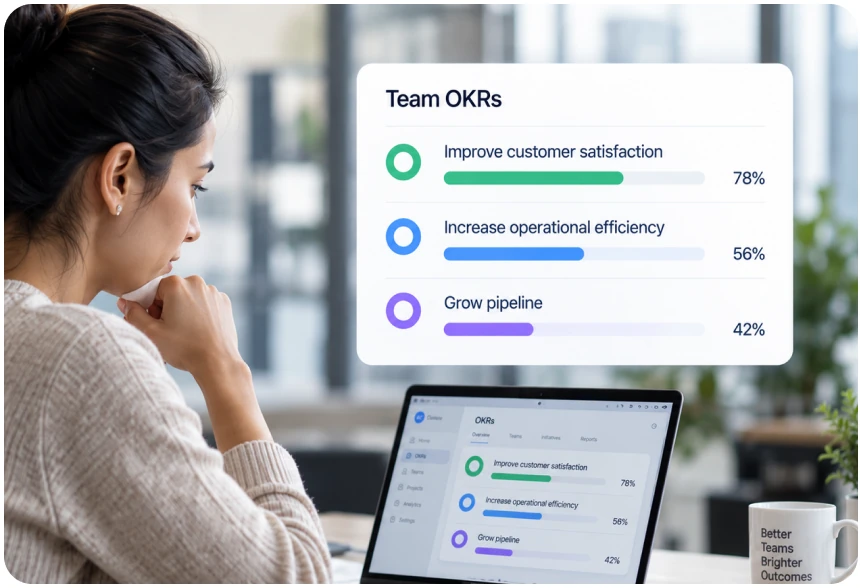
Review team performance, identify development needs, provide feedback, and recognize contributions.
CONNECTED TALENT MANAGEMENT
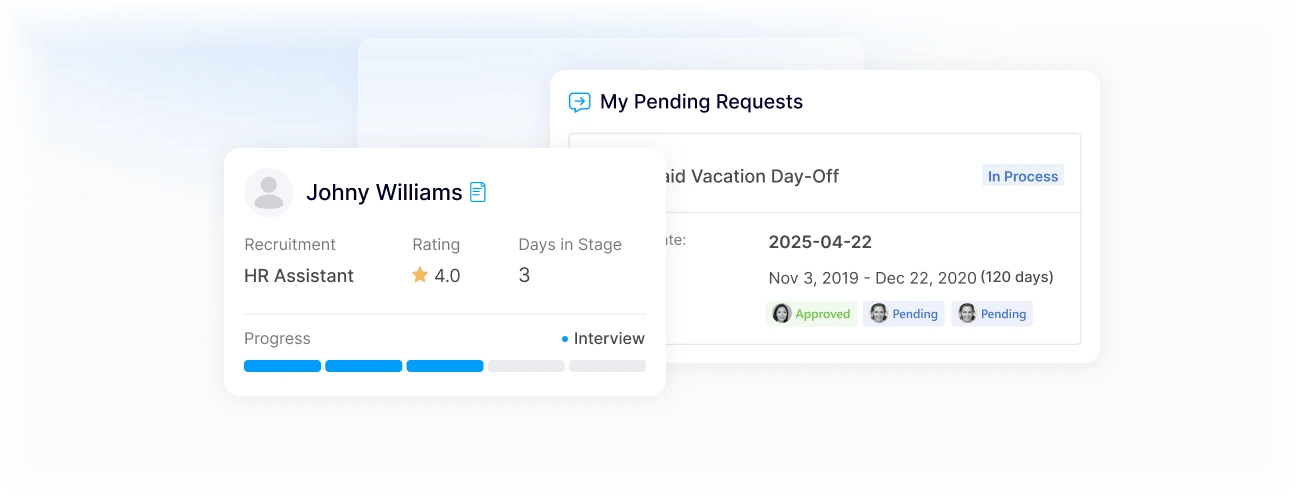
Use employee profiles, positions, and organizational structures as the foundation for talent processes.
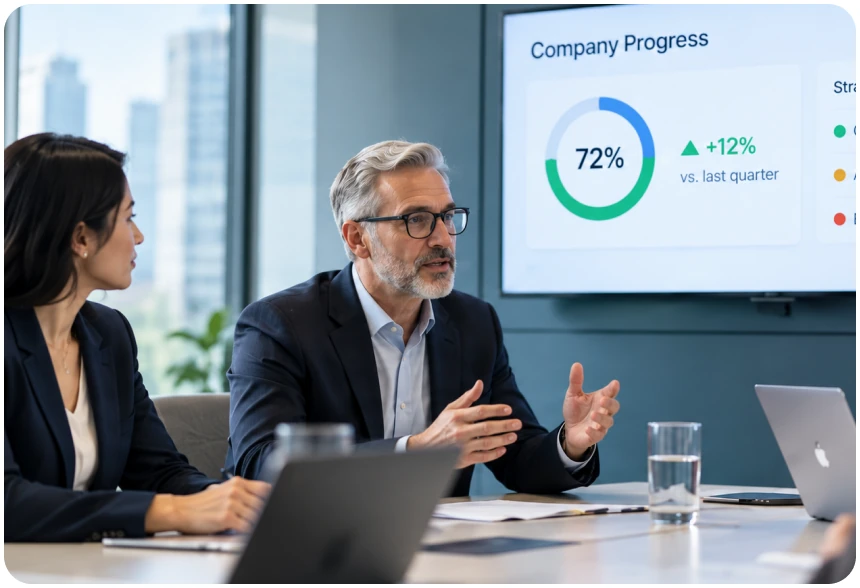
Connect planning with organization-wide execution.
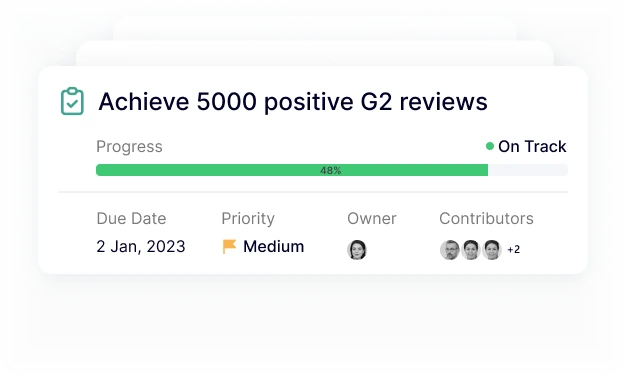
Monitor the measures that show how the business is performing.
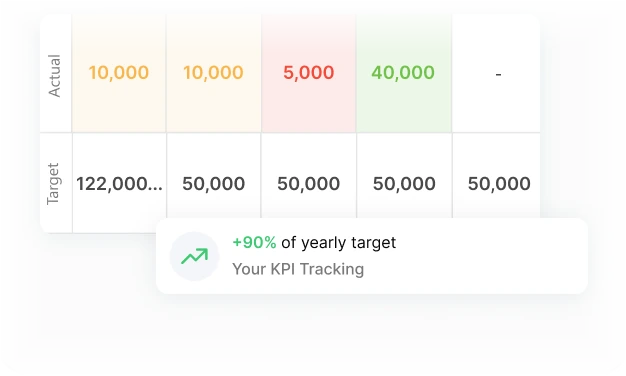
Set expectations, maintain ongoing performance context, manage reviews and evaluations, and turn feedback into improvement.
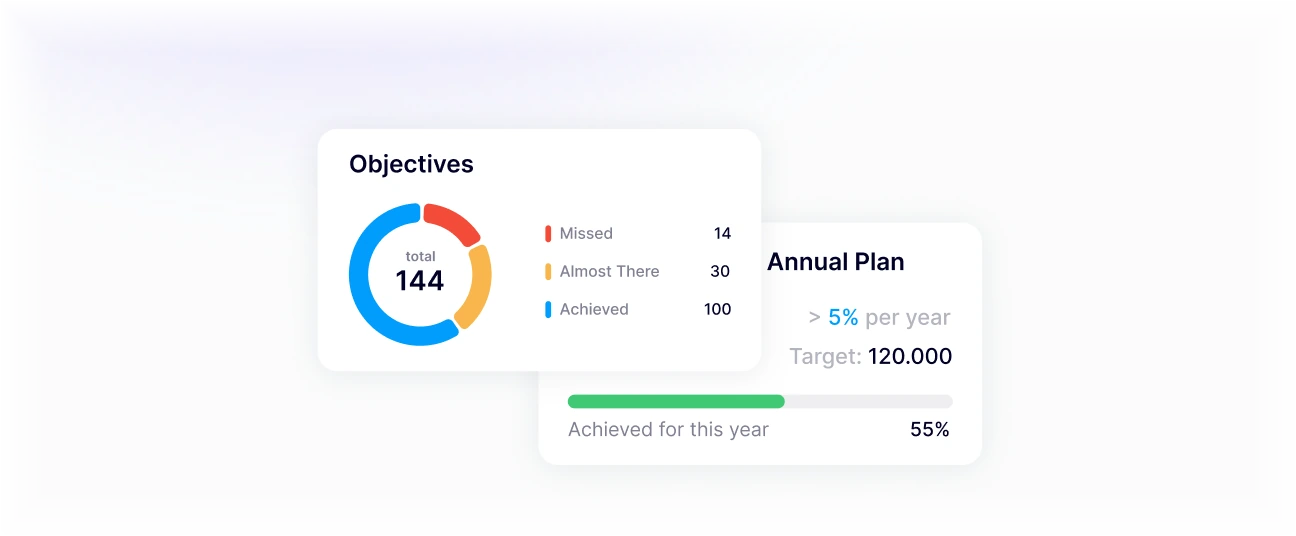
See the objectives and measurable results employees and teams are responsible for.
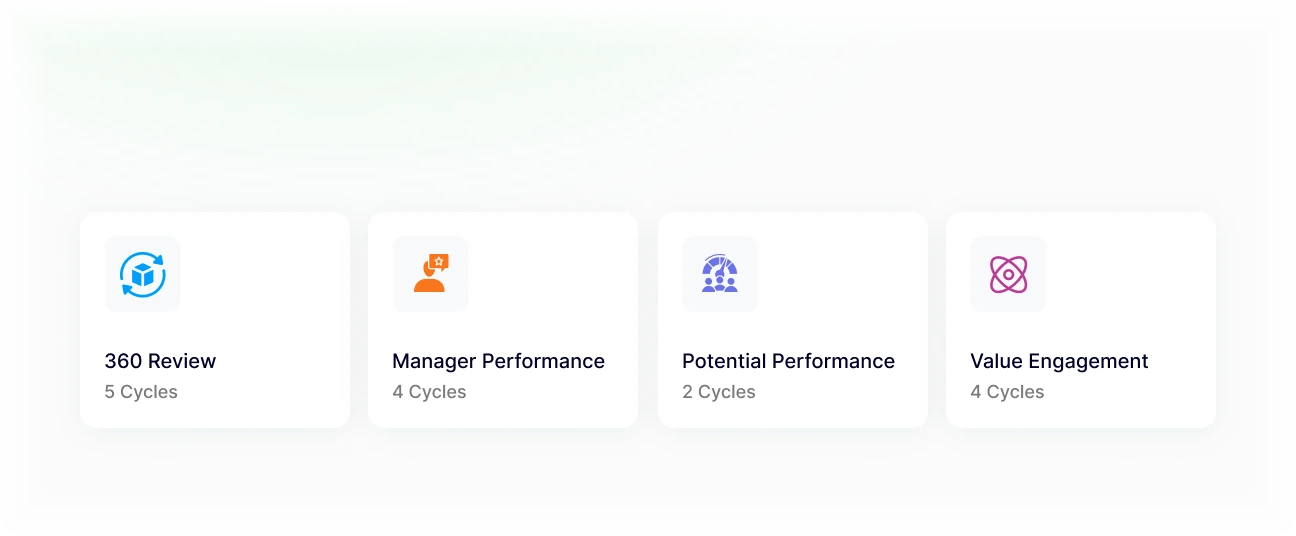
See how Spark.work brings employee performance, competencies, feedback, learning, and career growth into one system.
Manage competencies, reviews, feedback, learning, and career development in one platform.
Compare employee capability with the competencies and proficiency levels required for each position.
Bring feedback, one-on-one meetings, recognition, and review data into talent and development decisions.
Evaluate and develop people using the same organizational and performance data used across Spark.work.
FAQ
Talent management software helps organizations understand employee capability and performance, identify development needs, support career growth, and improve engagement.
An HRMS holds the operational record: people, positions, structures, time and requests. Talent management works on top of that record to evaluate and develop people - competencies, reviews, feedback, learning and career paths. In Spark.work they are the same system, so talent decisions use the organizational data rather than a separate copy of it.
Yes. Each position carries the competencies and proficiency levels it requires, and an employee's assessed competencies are compared against them. The profile shows which are matched, which need improvement, and where the employee is outstanding, so development is based on a measured gap rather than an impression.
Position fit compares the employee's assessed proficiency in each required competency with the level the position asks for, across every competency attached to that position. The result is shown as a single percentage on the competency profile, alongside the per-competency detail behind it.
Yes. Career paths show the positions and levels an employee can move toward, and the competencies each step requires. Employees see the direction available to them, and managers and HR can connect learning and development to the step the employee is working toward.
Yes. Feedback given through the year, one-on-one meetings and recognition stay attached to the employee, so a review draws on accumulated context instead of only the review period's recollection.