

View employees assigned to each project
WORKFORCE OPERATIONS
Worklogs & Timesheets
See where time goes and what it means for your business. Use our workload tracker to connect hours to real work, so you can compare plans, control costs, and bill accurately.
Request a Demo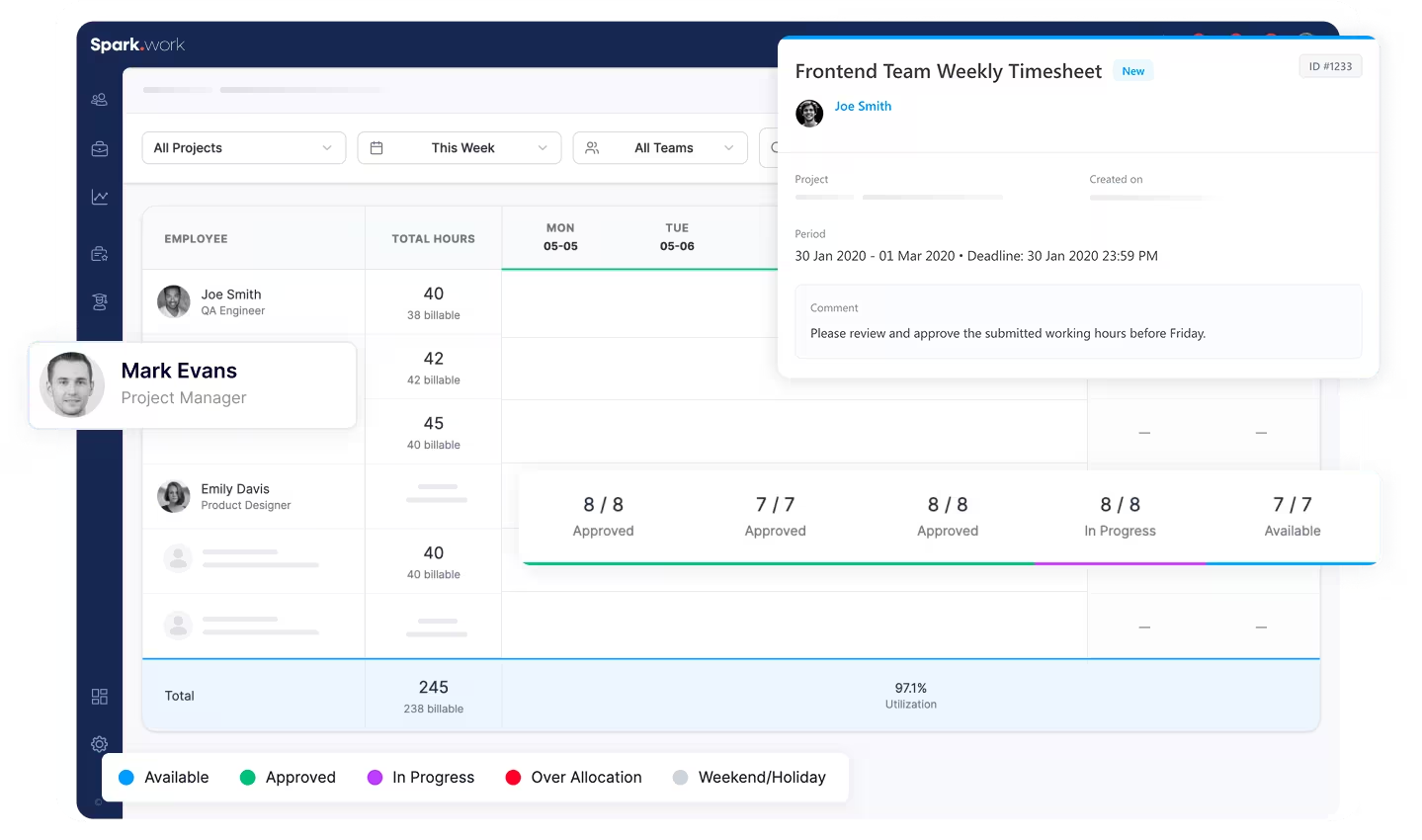
From Time to Revenue
Built for Billing and Internal Visibility
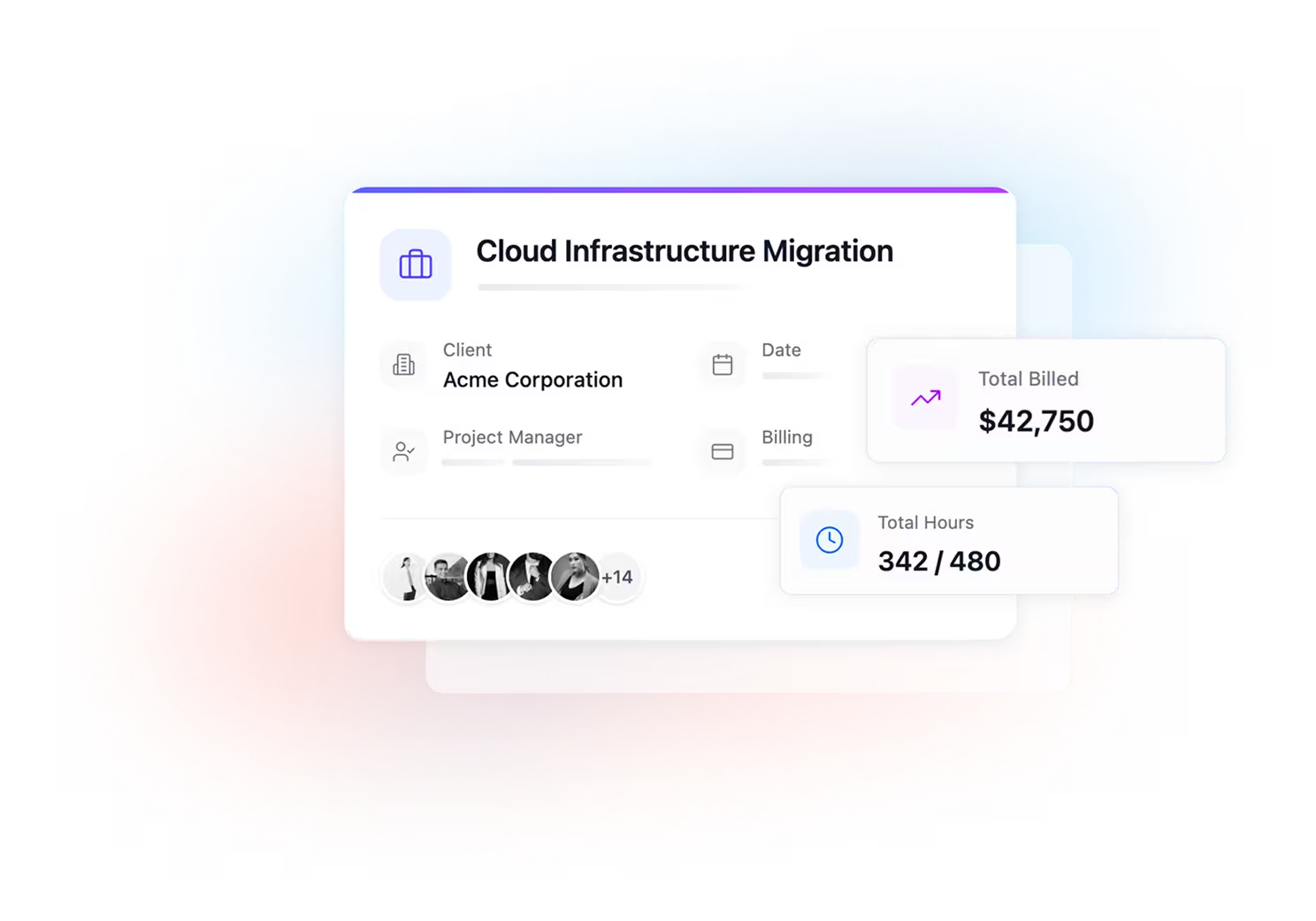
Turn tracked time into accurate billing and clear internal insight. This hours tracking system connects work, time, and cost in one place.
- Track billable hours per project with precision
- Ensure transparency across teams and clients
- Reduce manual errors and reporting gaps
- Understand how time is distributed across your organization
Controlled Workflows
Create and Manage Timesheets
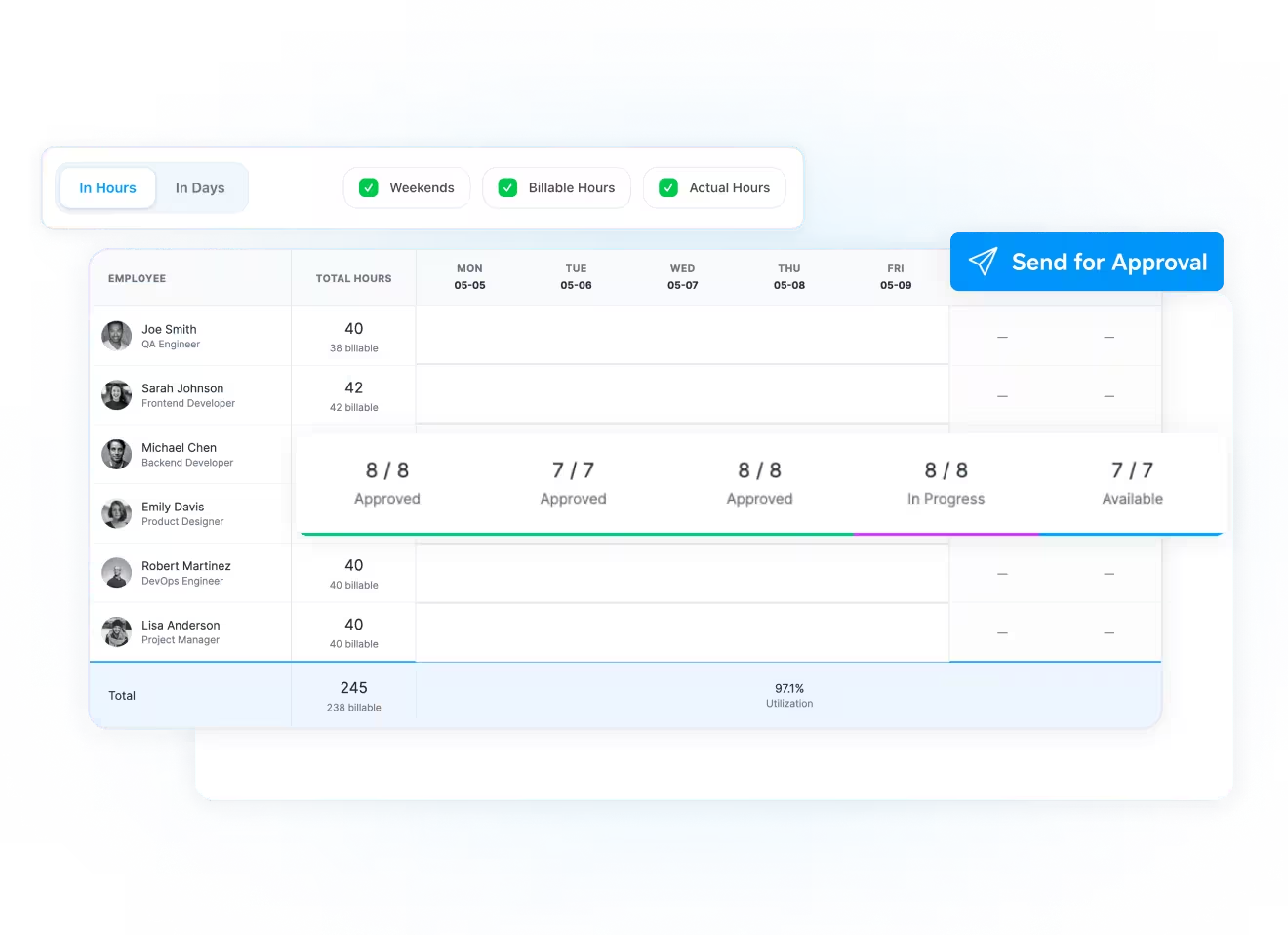
Turn tracked time into structured, approvable records. This timesheet tracker helps you generate, review, and validate timesheets with clarity.
- Select a project and time period
- Automatically compile worked hours
- Generate structured timesheets ready for review
- Send for approval across finance, management, or teams
How time tracking works in Spark.work
Time in Spark.work is logged against the tasks, projects and initiatives people already manage there, so worklogs describe real work rather than a separate project list.

Log time where the work is
Employees record hours on web or mobile against the task, project, client or initiative they worked on, in under a minute a day.
Timesheets compiled automatically
Worklogs roll into weekly timesheets ready for review, with the approval flow your finance or management process needs.
Attendance and leave on the same record
Because timesheets share a record with attendance and leave, a day is never reconciled across three systems before payroll.
Reports by any dimension
See hours by project, team, client or initiative, compare actuals with estimates, and read utilization without exporting to a spreadsheet.
Who uses it, and what changes
Time data is worth collecting only if it changes decisions. These are the decisions it changes in Spark.work.
Services firms and agencies
Bill every hour worked and see project profitability while the project is still running, not after the invoice.
Operations and delivery leads
Plan capacity from how long work actually takes, and spot sustained overload before it becomes attrition.
Finance and payroll
Pay hourly and overtime-eligible staff from approved timesheets, with the record an audit asks for.
Strategy and leadership
See how much effort each strategic initiative really consumes, next to its progress, in the same platform.
FAQ
Have More Questions? We've Got You Covered
Who is this feature most useful for?
Companies that manage multiple projects and bill clients based on time, especially in software development and professional services.
Can I compare planned vs actual hours?
Yes. You can see how much each employee was expected to work versus how much they actually worked.
How are timesheets created?
You simply select a project and a time period, and the system compiles the worked hours into a structured timesheet.
Can timesheets be approved before billing?
Yes. Timesheets can be sent for approval (e.g. finance team) before being used for billing.
Is this only for billing purposes?
No. It’s equally valuable for internal visibility, helping you understand workload distribution and team performance.
Ready to See Where Time Actually Goes?
Stop guessing how work translates into hours. Start managing it with clarity.
Request a Demo