
Strategy & Execution
Why strategy execution stalls when everyone is busy


How do you ask employees to take on a strategic priority when, from their side of the desk, it looks like one more thing to do?
I kept coming back to that question after our panel. We spend a lot of time getting a strategy right on paper. Then someone has to do something differently on Monday. They still have the same deadlines, the same people waiting on them and, quite possibly, a message from their manager asking for something that was due yesterday. Where does the new work go?
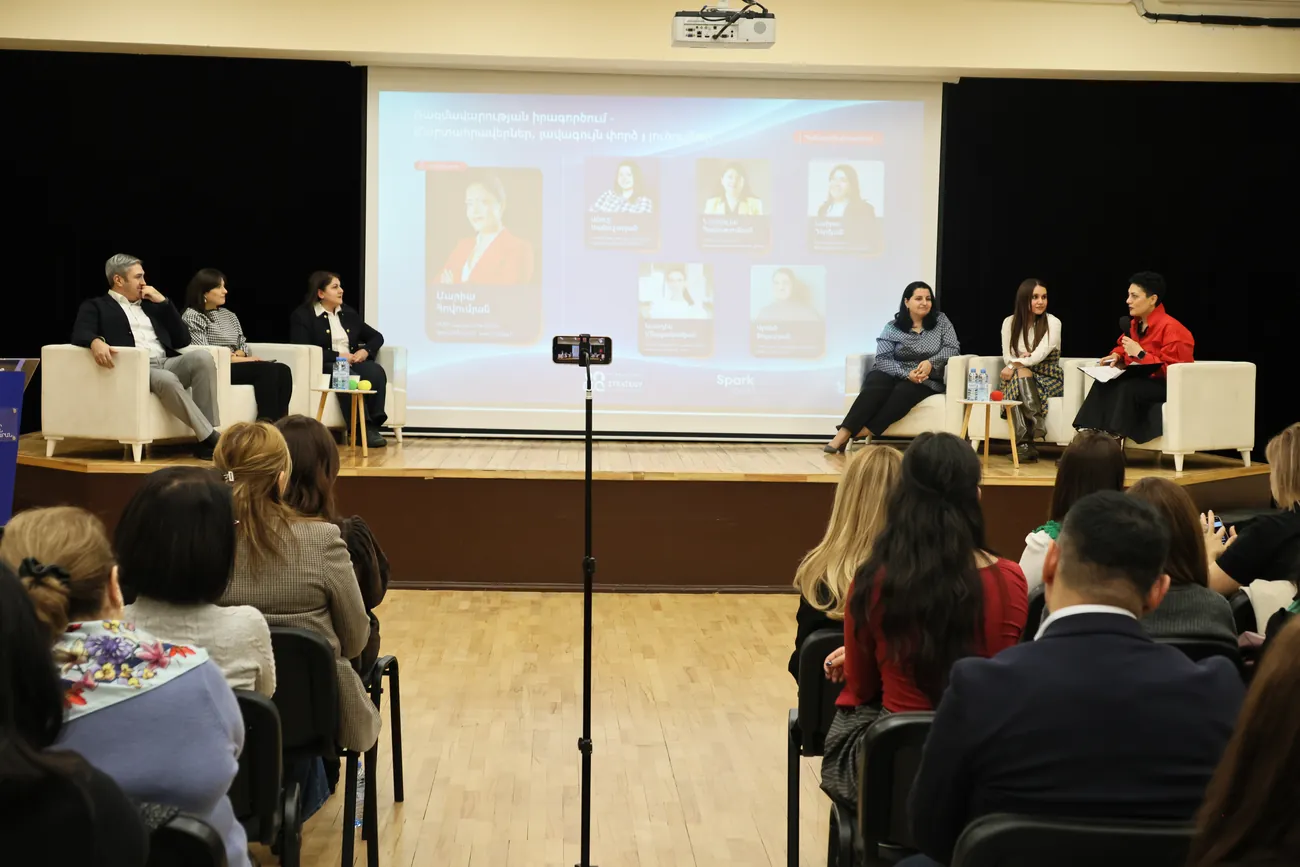
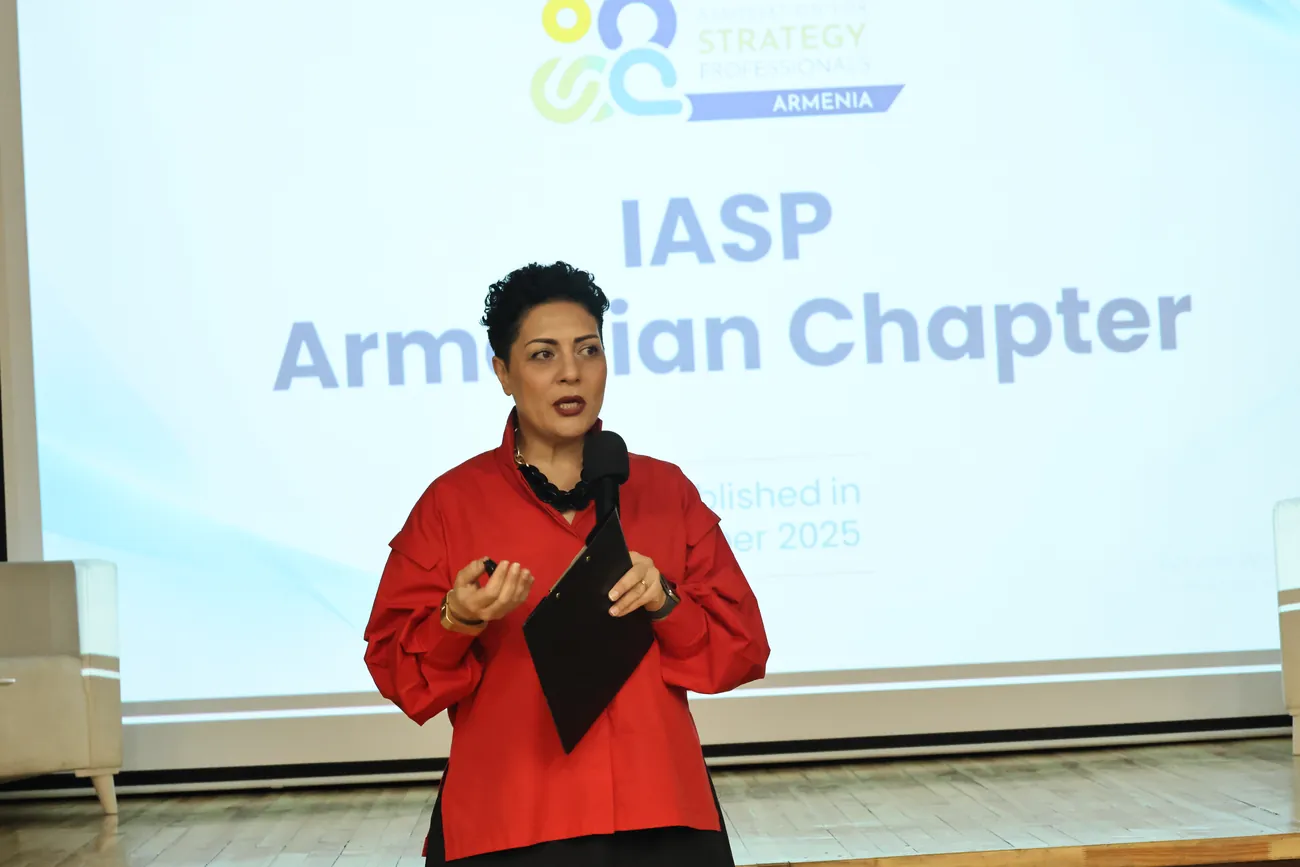
On November 25, Spark.work, IASP Armenia and Yerevan State University came together for When Strategy Meets Reality. Maria Hovoumyan introduced the Armenian chapter of the International Association for Strategy Professionals and made the case for its strategic importance in Armenia. Pun intended. Having a place to compare notes on what actually happens inside organizations feels especially relevant when so many of us are wrestling with the same problems.
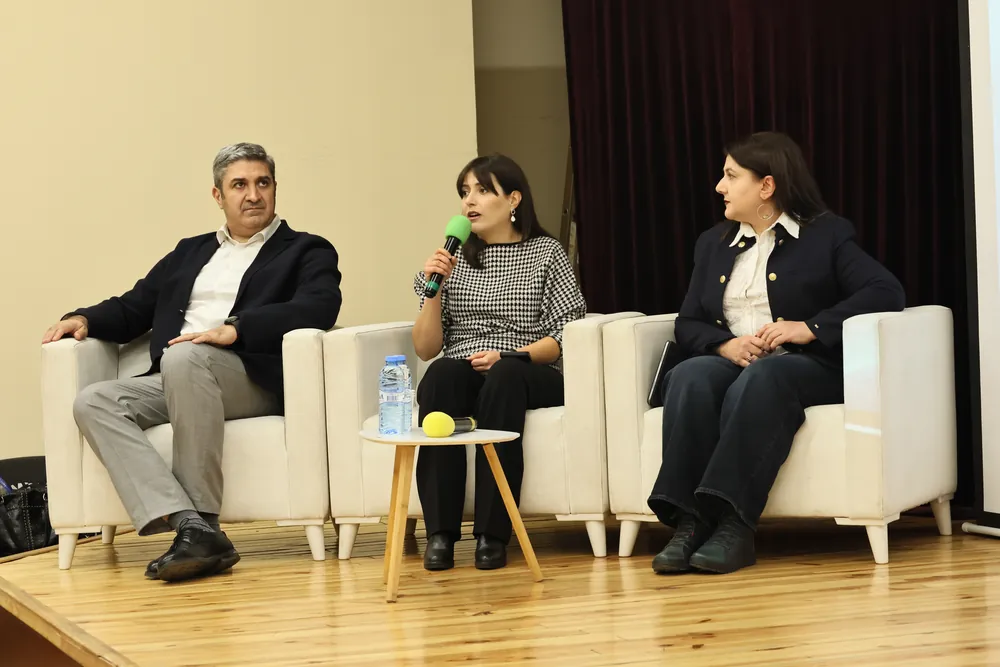
In the panel that followed, Why Good Strategies Stall, we talked about why even well-planned strategies stay on paper. The discussion ranged from old habits and unreliable data to some uncomfortable questions about management. Those points stayed with me because each one helps explain the next.
How one more thing becomes a cycle
A strategic priority can change how a team works without increasing how much it does. But the difference has to show up somewhere in the week. When managers agree to a new priority, what are they prepared to change about the work they already expect people to do? Years of working a certain way carry more weight than a single meeting about a new direction.
- Without a shared vision, every team makes its own trade-offs. Natalya Harutyunyan pointed out how much execution suffers when an organization lacks a common strategic vision. Two departments can agree that a goal matters and still walk out of the same meeting with different ideas about what should happen first. If both carry on with their existing commitments, the employee gets the old deadlines plus a new responsibility.
- When the work slips, managers need accurate data to see why. That was Astghik Mnatsakanyan’s point. Up-to-date employee records help you see who’s on the team and where responsibilities sit. CRM data shows what’s happening with customers. Financial reports show what you’ve spent and what you can still commit. When those records are incomplete or stale, a progress review can turn into a conversation about which numbers to trust.
- Good data comes from processes people can follow. Somebody has to know what to record, when to update it and who will use it. If the process relies on one person remembering to chase three departments at the end of the month, the numbers will arrive whenever that person has time. By then, a manager may already have had to make the decision.
- Those processes depend on management. Drawing on her experience, Naira Derdzyan spoke candidly about a management crisis in Armenia and the gap between the demands of a senior role and the preparation some leaders have had for it. Coordinating work across an organization takes training and practice. So does telling two departments what they can put aside, then standing by that decision when another request comes in.
- When problems surface late, everything is suddenly urgent. Now someone needs the figures by tomorrow morning. People stop what they’re doing to find them, make the overdue decision or fix whatever has gone wrong. In the process, the employee loses the time they had set aside for the new priority. The person responsible for keeping the data current loses theirs, too.
And that’s how you get back to the same desk. The employee still has the work that got interrupted, the manager still has gaps in the data, and the next problem is just as easy to miss. After a few rounds, people learn which work is safe to postpone. The strategy stays on paper a little longer.

Where to break the cycle
I’d start by asking the employee what actually gets in the way. Perhaps nobody has told them which deadline can move. Perhaps they’re waiting on a decision from another team. And sometimes the new activity just feels too far removed from the goal for anyone to see why it’s worth doing. Those are different problems, and the panel gave us a few different ways to approach them.
- Make it easier to take part. Anush Manucharyan challenged the idea that implementing strategy has to be difficult or that people will automatically resist a change. Gamification was one of the mechanisms she brought up. A shared challenge, for example, can give people a manageable way to try a new activity and see what their efforts add up to. It helps if they also know where that activity fits into their working week.
- Give managers somewhere to learn and compare notes. Formal education at YSU can help build the skills it takes to manage across teams. A professional community like IASP Armenia gives people already doing the job a place to bring the questions that come up in practice. How do you get two departments to agree on what can wait? What do you do when their incentives point in opposite directions?
- Get expert help setting up the processes. A consultant can sit down with the people doing the work and help them agree on who owns each measure, when they update it and which decisions it should inform. Once those basics are clear, preparing for a review can take a lot less effort. Yepraksia Mkrtchyan’s guide to tracking KPIs goes into the practical side of that.
- Give teams a clear view of what they’ve committed to. In the walkthrough after the panel, Susanna Aleksanyan showed how Spark.work’s strategy management software connects company goals to the people, KPIs and initiatives behind them. That’s useful the minute an urgent request lands. A manager can see which commitment would have to move, and the team can get on with the work without chasing several people for an update.
- Use AI to catch problems while there’s time to act. Armen Kocharyan spoke about where AI can help with the wider execution problem. It can help teams define performance metrics that reflect what they’re trying to achieve, make sense of scattered updates and flag when something is drifting off track. That gives a manager a chance to ask what’s getting in the way before the question turns into a last-minute request for everyone’s numbers.
I’d bring it back to the next conversation with that employee. Before asking them to take on a strategic priority, I’d want to be able to tell them what to do differently this week, what can wait to make room for it, and how we’ll both know whether it’s working. And when the next urgent request comes in, I’d want them to know we’ll make that trade-off together.
More Articles to Explore

OKRs vs KPIs: Key Differences and How They Work Together
One measure can be both an ongoing KPI and part of a quarterly OKR. A practical example explains the difference, when to use each, and how to review them together.

Management by Objectives (MBO): How It Works and Who It Suits
MBO gives companies a structure for agreeing on objectives, tracking progress, and evaluating achievement. Here is when it fits and how we support it in Spark.work.

AI Agents for HR: 10 Practical Use Cases, Benefits, and Implementation
Learn how AI agents for HR work, explore 10 practical use cases, and see how to choose workflows, set permissions, and measure results with human oversight.